
How to Choose the Right Visiting Card for Your Business
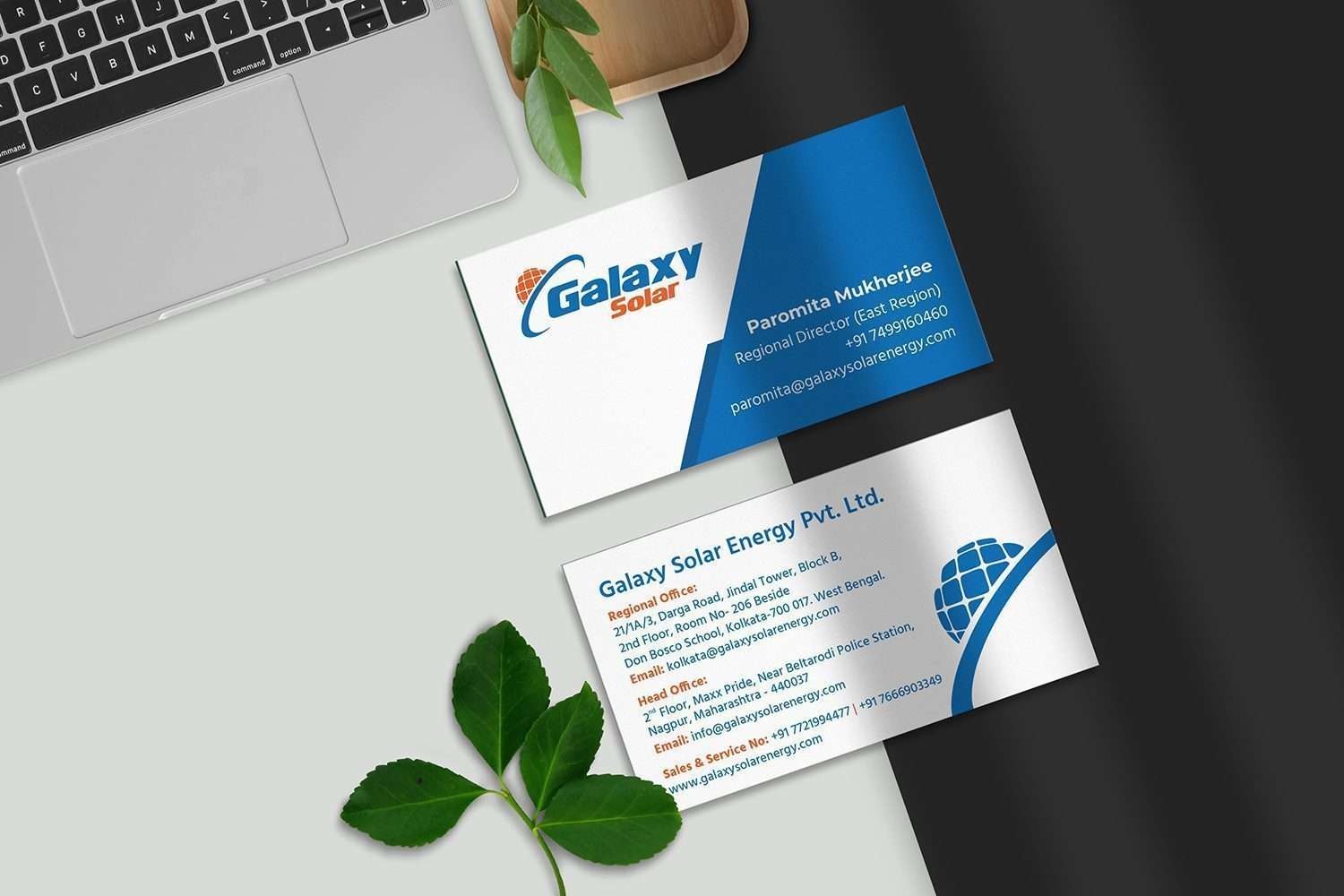
A well-designed visiting card helps customers remember your business. Discover how to choose the right card material, finish, layout and contact details for your brand.
# How to Choose the Right Visiting Card for Your Business A visiting card is a simple but useful tool for introducing your business to potential customers, clients and professional contacts. Even in the digital age, exchanging visiting cards can make it easier for people to remember your name, understand your services and contact you later. However, choosing the right visiting card involves more than selecting an attractive design. Paper quality, finish, readability, contact information and overall presentation all influence how useful the card will be. Whether you are a business owner, freelancer, consultant, shop owner or working professional, this guide will help you choose a visiting card that suits your business and budget.
1. Start With Your Business Identity
Before choosing colours, paper or finishes, think about what you want your visiting card to communicate. A corporate business may need a clean and formal design, while a creative agency may prefer a more expressive layout. A retail business might prioritise its brand name, product category and contact information. Your visiting card should match your existing brand identity. If your business already has a logo, website and established brand colours, use them consistently. The goal is to create a card that feels connected to your business rather than looking like a separate design.
2. Choose the Right Paper Quality
Paper quality affects the thickness, texture and durability of a visiting card. A suitable paper stock helps the card maintain its shape during everyday handling. Here are some common options to discuss with your printer:
Standard Card Stock
Standard card stock is a practical choice for everyday business use. It can suit shops, small businesses, freelancers and professionals who distribute cards regularly.
Thick or Premium Card Stock
Thicker card stock can provide a firmer feel and a more substantial appearance. It may suit businesses that want a premium presentation for client meetings or networking.
Textured Paper
Textured paper has a distinctive surface that can add character to a visiting card. It may work well for selected creative, boutique or premium brands, depending on the design. The best option depends on your requirements, availability and budget. Ask your printer to show you physical samples before making a final decision.
3. Matte vs Glossy Visiting Cards
The finish changes how a visiting card looks and feels. Matte and glossy finishes are two common options, and each has different advantages.
Matte Finish
Matte finishes have a smooth, low-shine appearance. They can work well for minimal designs, corporate branding and professional services. A matte card is often a suitable choice when you want a clean and understated look. Whether it can be written on easily depends on the specific coating and pen used.
Glossy Finish
Glossy finishes have a shiny surface that can make colours and images appear more vibrant. They may suit colourful designs, product-focused businesses and brands that prefer a brighter presentation. However, reflections can sometimes make a glossy surface harder to read under certain lighting conditions.
Which Finish Should You Choose?
Choose matte if your design relies on simplicity and a subtle appearance. Consider gloss if you want stronger shine and vivid visual presentation. If you are unsure, compare samples of both finishes with your actual design before placing a large order.
4. Keep the Design Simple and Readable
A visiting card has limited space, so every element should serve a purpose. Use a clear visual hierarchy so readers can identify your business name, your role and your contact information without searching through unnecessary details. Follow these design practices: - Use readable fonts and appropriate text sizes. - Keep enough space between different elements. - Use colours that provide good contrast. - Avoid excessive decorative graphics. - Keep alignment and spacing consistent. - Use a high-quality logo file. A simple design can be more effective than a crowded layout filled with too many colours, icons and text styles.
5. Include the Right Information
Your visiting card should make it easy for someone to understand who you are and how to contact you. Depending on your business, useful details may include: - Business or brand name - Your name and designation - Phone number - Professional email address - Website URL - Business address, if relevant - QR code linking to a useful business page You do not need to include every possible contact method. Choose the details that matter most to your customers. Before printing, check phone numbers, email addresses, website links and spelling carefully. Incorrect contact information can make an otherwise excellent card less useful.
6. Choose Suitable Colours and Fonts
Colours and typography should support your brand identity and make the information easy to read. Use your existing brand colours where possible. If your business does not have a defined colour palette, choose a small set of complementary colours rather than using too many shades. For typography, prioritise legibility over decorative styling. A distinctive font may look attractive in a logo, but small contact details should remain easy to read. Always review the design at its actual printed size. Text that appears readable on a large computer screen may be too small on a physical card.
7. Consider a QR Code
A QR code can connect a printed visiting card to a digital destination. Depending on your business, it may link to your website, digital portfolio, online catalogue, contact page or business profile. Before adding a QR code, consider whether it provides real value to the person receiving the card. Make sure the code is large enough to scan, has sufficient contrast and is not placed too close to the edge. Test it on different phones before approving the final design. Also confirm that the destination works correctly and is suitable for sharing publicly.
8. Select the Right Visiting Card Size and Layout
The card size and orientation should complement the design and suit how you intend to use it. A standard rectangular card is a practical choice for most businesses because it is easy to store in a wallet or card holder. Horizontal layouts can provide space for a business name and contact details, while vertical layouts may suit certain modern or compact designs. Unusual shapes and sizes can help a card stand out, but they may require special production methods and can affect cost or storage convenience. Confirm the final dimensions and safe margins with your printer before preparing the artwork.
9. Balance Quality With Your Budget
A premium visiting card is not necessarily the right choice for every business. The most suitable option is one that meets your presentation needs without exceeding your budget. Before ordering, compare the total quotation for the required quantity, paper stock, finish and design work. Consider these questions: - How often will you distribute the cards? - Do you need a basic or premium finish? - Will you need different cards for multiple employees? - Is the design likely to change soon? - Does the quotation include design, printing and delivery? Request a clear breakdown so you can compare options fairly. Ordering a smaller batch may be useful when you are testing a new design or expect your contact details to change.
10. Check the Design Before Printing
Always review the final artwork before approving production. Check that the business name, logo, phone number, email address and website URL are correct. Make sure the text is readable and the design has enough space around the edges. Ask your printing provider about the required file format, dimensions, bleed and colour settings. These requirements can vary depending on the printing process. If possible, review a physical sample or print proof before confirming a larger order.
Where to Get Visiting Cards Printed in Nagpur?
If you need visiting cards for your business in Nagpur, choose a printing provider that can explain the available paper options, finishes, design requirements and printing costs. DesignBlock Ads offers visiting card design and printing services. You can discuss your preferred design, quantity, paper quality and finish with the team to confirm suitable options for your requirements. Before placing an order, keep your logo, correct contact details and design preferences ready. This helps the printing team understand your requirements and prepare the artwork more efficiently.
Frequently Asked Questions
Which visiting card is best for a small business?
A simple, readable visiting card with suitable paper quality and accurate contact details is a practical starting point. Choose the finish and thickness according to your business identity and budget.
Is matte or glossy better for visiting cards?
Matte offers a low-shine appearance, while gloss provides a shiny surface and can make colours look more vibrant. The better option depends on your design, brand and intended use.
What information should a visiting card include?
Most business cards include the business name, person's name, designation and one or more relevant contact details. A website or QR code can be added when useful.
Does paper quality matter for visiting cards?
Yes. Paper stock affects the card's thickness, feel and handling durability. Ask your printer to show you available samples so you can compare them before ordering.
Should I add a QR code to my visiting card?
A QR code is useful when it directs people to a relevant destination, such as your website or portfolio. Test the code before printing to ensure it works correctly.
How can I order visiting cards in Nagpur?
Prepare your logo, contact information, preferred design and required quantity. Contact a local printing provider to discuss available materials, finishes, pricing and delivery details.
Conclusion
Choosing the right visiting card involves balancing design, paper quality, finish, readability and cost. A well-planned card should reflect your business identity while making your contact information easy to find. Before placing an order, compare physical samples, review the final artwork and confirm the printing specifications. These simple steps can help you select a visiting card that suits your business and makes professional introductions easier.